
Cellulite is a common concern for many people, especially women. While there are several factors that contribute to the development of cellulite, such as genetics and lifestyle choices, it is widely believed that certain foods can also play a role. Dressings, sauces, and spreads are one category of food that can contribute to the formation of cellulite. These condiments often contain high amounts of unhealthy fats, sugars, and additives that can promote inflammation and affect the skin's elasticity. Opting for healthier alternatives like homemade dressings with olive oil and vinegar can help reduce the risk of cellulite formation.
Processed meats and cheese are another culprit when it comes to cellulite. These foods are often high in sodium and saturated fats, which can lead to water retention and inflammation. Additionally, processed meats like sausages and deli meats are usually packed with additives and preservatives that can hinder the body's ability to break down fats properly. Similarly, cheese, especially processed varieties, may contain high levels of salt, which can contribute to fluid retention and exacerbate the appearance of cellulite. By choosing leaner cuts of meat and opting for lower-fat cheese options, you can minimize the impact of these foods on cellulite formation.
Dressing, sauces, and spreads are commonly found in many dishes and can add flavor and richness to our meals. However, these seemingly innocent condiments can be a hidden culprit when it comes to cellulite formation. Many of these products are loaded with unhealthy fats, high levels of sodium, and sugar, which can contribute to the development of cellulite.
Mayonnaise, for instance, is a popular spread used in sandwiches and salads, but it is often made with unhealthy oils and has a high-fat content. These fats can accumulate in our bodies and contribute to the appearance of cellulite. Similarly, salad dressings, especially those with creamy bases like ranch or Caesar, can be a source of excess calories, unhealthy fats, and added sugars. Even the seemingly healthy vinaigrette dressings can sneakily contain high levels of sodium, which can lead to water retention and exacerbate the appearance of cellulite.
It is important to pay attention to the ingredients in our favorite sauces and spreads. Opting for healthier alternatives such as homemade dressings using olive oil, lemon juice, and herbs can be a flavorful and nutritious option. Additionally, being mindful of portion sizes and choosing lower fat and sugar options can help in minimizing the intake of potentially cellulite-causing ingredients.
Processed meats and cheese are often found guilty of causing cellulite. These highly processed and preserved foods contain high levels of sodium and unhealthy fats, which can contribute to the formation of cellulite. Sodium causes water retention in the body, leading to bloating and a swollen appearance. Moreover, the unhealthy fats found in processed meats and cheese can not only lead to weight gain but also disrupt the normal function of skin cells, making them more prone to developing cellulite.
When it comes to processed meats, popular options like sausages, hot dogs, and deli meats are particularly detrimental. These meats are often loaded with additives, preservatives, and high amounts of sodium. Additionally, they are typically high in saturated and trans fats, which are known to increase inflammation in the body. Cheese, especially processed cheese, is another culprit as it contains high levels of sodium and unhealthy fats. Opting for healthier alternatives like lean cuts of fresh meat and low-fat, natural cheeses can reduce the risk of cellulite formation.
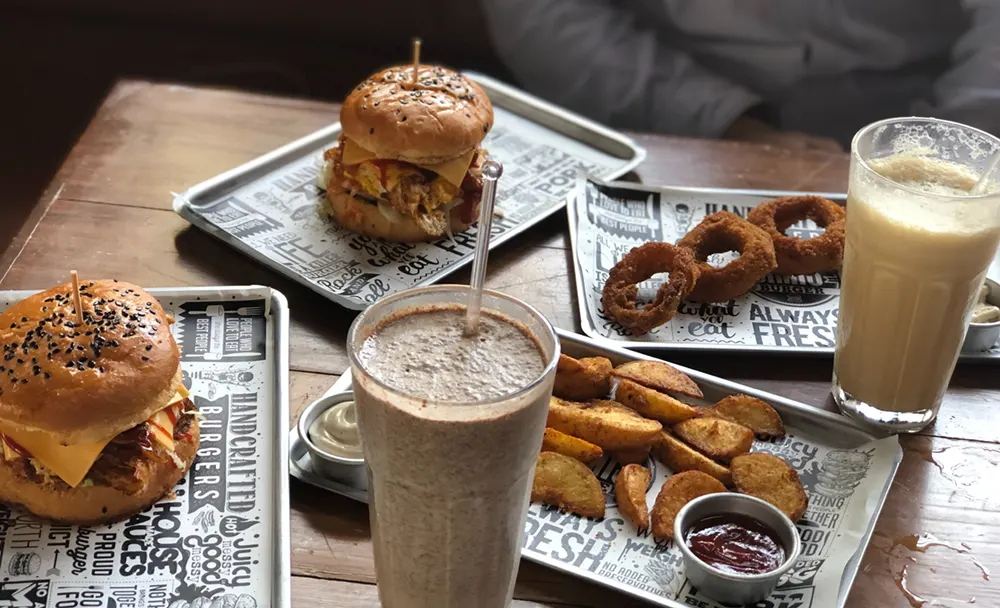
Junk food, known for its irresistible taste and convenience, is a major contributor to cellulite formation. These highly processed and packaged foods contain high levels of unhealthy fats, refined sugars, and empty calories. Indulging in a diet filled with junk food can lead to weight gain, which is a common factor in the development of cellulite. Moreover, these foods are often low in essential nutrients and high in artificial additives, which can disrupt the body's natural balance and contribute to the appearance of cellulite.
One of the primary culprits in junk food that can worsen cellulite is trans fats. These fats are often found in fried and processed snacks like potato chips, doughnuts, and microwave popcorn. Trans fats not only increase bad cholesterol levels but also promote inflammation and reduce blood circulation, both of which can exacerbate the appearance of cellulite. Additionally, the high sugar content in many junk foods like candy bars, cakes, and soda can lead to insulin spikes and an increase in fat storage, further worsening the visibility of cellulite.
Overall, the consumption of junk food is strongly linked to the development and worsening of cellulite. By regularly indulging in these unhealthy and nutrient-poor food choices, individuals increase their risk of weight gain, inflammation, poor blood circulation, and fat storage. As cellulite is influenced by various factors, including both genetic and lifestyle choices, it is essential to make conscious decisions regarding diet and prioritize the consumption of nutrient-dense foods to support overall skin health and reduce the appearance of cellulite.

Carbonated, caffeinated, and alcoholic beverages are often enjoyed as a refreshing treat or used to unwind after a long day. However, indulging in these beverages excessively can contribute to the development of cellulite. Carbonated drinks, such as soda, are high in sugar and calories, which can negatively impact your body's metabolism and lead to weight gain. Additionally, the carbonation in these beverages can cause bloating and fluid retention, making cellulite more noticeable.
Caffeinated drinks, like coffee and energy drinks, can also contribute to the formation of cellulite. Caffeine is a diuretic, meaning it can dehydrate the body and cause the skin to become dry and less elastic. This can lead to a loss of skin firmness and increase the appearance of cellulite. Moreover, excessive consumption of alcohol can have a similar effect. Alcohol dehydrates the body and interferes with collagen production, which can further worsen the appearance of cellulite. To minimize the risk of cellulite, it is advisable to limit the intake of carbonated, caffeinated, and alcoholic beverages and opt for healthier alternatives like water, herbal tea, or natural fruit juices.
Fast and fried foods are notorious for their negative impact on our health, and they also contribute to the development of cellulite. These foods tend to be high in unhealthy fats, such as trans fats and saturated fats, which can increase inflammation in the body. Inflammation, in turn, can weaken the connective tissues that hold our skin together and lead to the formation of cellulite. Additionally, fast and fried foods are often packed with processed ingredients, preservatives, and artificial additives, all of which can further contribute to the accumulation of toxins in the body and exacerbate the appearance of cellulite.
When it comes to fast food, the deep-frying process used to cook many popular items like french fries, chicken nuggets, and onion rings is a major culprit. Deep frying involves immersing food in hot oil, which not only adds significant amounts of unhealthy fats but also results in the formation of harmful byproducts such as free radicals. These free radicals can damage the collagen and elastin in our skin, leading to a loss of elasticity and firmness, which can, in turn, worsen the appearance of cellulite. Moreover, fast food often lacks essential nutrients and is typically high in sodium, which can cause water retention and make cellulite more noticeable.

Sweets and treats, although delightful to our taste buds, can be one of the main culprits behind the appearance of cellulite. These sugary indulgences are often packed with refined carbohydrates and high levels of added sugars, which can wreak havoc on our body's collagen production. Collagen, a protein responsible for the structure and elasticity of our skin, can become weakened when exposed to excessive sugar consumption. This weakening can contribute to the breakdown of connective tissues, leading to the formation of cellulite. One of the main offenders in this category is processed sweets, such as candies, cakes, and cookies, which tend to be high in both sugar and unhealthy fats.
Additionally, sugary treats like ice cream and chocolate bars can also be problematic for those trying to combat cellulite. These tempting snacks not only contribute to weight gain when consumed in excess but can also disrupt the body's insulin levels. High sugar intake causes insulin spikes, which can lead to inflammation and hinder the body's ability to regulate blood sugar properly. This can further exacerbate the appearance of cellulite, as inflammation can damage the collagen and elastin fibers responsible for maintaining the smoothness of our skin. It is crucial to be mindful of our consumption of sweets and treats if we want to reduce the visibility of cellulite and maintain overall skin health.
 Carbs
CarbsCarbs have long been a controversial topic when it comes to their impact on cellulite. Carbohydrates are one of the main sources of energy for our bodies, and they can be found in a variety of foods such as bread, pasta, rice, and potatoes. When we consume carbs, our bodies break them down into sugar, which is then used as fuel. However, excessive consumption of refined carbs, such as white bread and sugary snacks, can lead to weight gain and potentially contribute to the development of cellulite.
Refined carbs are quickly digested by the body, causing a rapid spike in blood sugar levels. This triggers the release of insulin, a hormone that helps to regulate blood sugar. When insulin levels are consistently high due to excessive carb intake, it can lead to insulin resistance. Insulin resistance impairs the body's ability to effectively metabolize fat, which can result in the accumulation of fat cells and contribute to the appearance of cellulite. Therefore, it is important to be mindful of the types and quantities of carbs we consume, opting for healthier options such as whole grains, fruits, and vegetables to help maintain a balanced diet and potentially reduce the risk of developing cellulite.
Salt is a commonly used ingredient in our everyday meals. However, excessive consumption of salt can contribute to the formation of cellulite. The sodium content present in salt can lead to water retention in the body, causing the skin to appear puffy and bumpy. This can worsen the appearance of cellulite, making it more visible and prominent. Additionally, high salt intake can also contribute to weight gain, as it can increase the cravings for fatty and sugary foods. It is important to keep a watchful eye on our salt intake and opt for healthier alternatives to season our meals.
Reducing salt intake can significantly improve the appearance of cellulite. Instead of relying on traditional table salt, incorporating alternative seasoning options can be a healthier choice. Herbs and spices can add flavor to meals without the need for excessive salt. Incorporating ingredients like garlic, onion powder, paprika, turmeric, and black pepper can enhance the taste of dishes while reducing the reliance on salt. Additionally, incorporating foods rich in potassium, such as bananas, sweet potatoes, and spinach, can help balance the sodium levels in the body and reduce water retention, thereby minimizing the appearance of cellulite. By making these simple changes to our diet, we can effectively reduce the impact of salt on cellulite formation and promote a healthier lifestyle overall.
 Sugar-laden drinks
Consuming sugar-laden drinks can have detrimental effects on our overall health and contribute to the development of cellulite. These sugary beverages, including soft drinks, energy drinks, and sweetened fruit juices, are often loaded with high amounts of added sugars. The excessive intake of these drinks can lead to weight gain and an increase in body fat, which can exacerbate the appearance of cellulite. Moreover, these sugary drinks can also cause inflammation in the body, promoting the breakdown of collagen and elastin, which are important for maintaining the skin's elasticity and smoothness.
One of the main culprits in sugar-laden drinks is the high fructose corn syrup (HFCS), a cheap sweetener commonly used in the production of sodas and other carbonated beverages. HFCS is easily absorbed by the body and quickly converted into fat, especially in the abdominal area. This fat accumulation can contribute to the development of cellulite, making it more visible and challenging to get rid of. Additionally, sugar-laden drinks can also lead to increased insulin levels in the body, which can disrupt the normal functioning of cells and promote fat storage, further worsening the appearance of cellulite.