
Cellulite, the dimpled and lumpy appearance of the skin, is a common concern for many individuals, especially as they age. Understanding the shifts in cellulite appearance over time is crucial in finding effective strategies to minimize and manage its progression. Various factors contribute to cellulite formation, including hormonal changes, reduced collagen production, changes in blood circulation, lifestyle choices, genetics, muscle loss, and skin elasticity.
Hormonal changes play a significant role in cellulite development as we age. Estrogen, a hormone that declines in women during menopause, can lead to decreased blood flow, collagen production, and the breakdown of connective tissue, thus increasing the visibility of cellulite. Additionally, the decline in progesterone levels can cause water retention and weaken blood vessel walls, further contributing to cellulite formation. It's important to note that hormonal shifts affect both men and women, albeit to a lesser extent in men, emphasizing the relevance of hormonal changes in cellulite progression.
Cellulite, a common cosmetic concern, tends to become more prominent as we age. Understanding the factors that contribute to its formation can shed light on how to manage and minimize its appearance. One key factor is the role of hormones in cellulite development. As we age, hormonal changes occur, particularly in women, which can lead to an increase in cellulite. Estrogen, the primary female sex hormone, plays a significant role in collagen production and skin elasticity. Reduced levels of estrogen with age can result in a decrease in collagen production, making the skin more prone to the dimpled appearance characteristic of cellulite.
Another contributing factor to cellulite formation with age is reduced collagen production. Collagen, the most abundant protein in the body, provides structure and support to the skin. However, as we get older, collagen production naturally declines. This decreased production can weaken the connective tissues beneath the skin, allowing fat cells to protrude and contribute to the development of cellulite. Additionally, factors such as sun exposure, smoking, and poor diet can further accelerate collagen degradation, exacerbating the appearance of cellulite over time.
Hormonal changes play a significant role in the development of cellulite as we age. Estrogen, a hormone primarily associated with the female reproductive system, plays a key role in the formation and appearance of cellulite. As women approach menopause, there is a decrease in estrogen levels, leading to a redistribution of fat tissue and a decrease in collagen production. This shift in hormone levels can result in firmer and more pronounced cellulite.
Additionally, hormonal fluctuations throughout the menstrual cycle can also contribute to cellulite development. During the luteal phase, which occurs after ovulation, progesterone levels increase and can lead to water retention and connective tissue inflammation. This can further exacerbate the appearance of cellulite.
For men, a decrease in testosterone levels with age can also impact cellulite development. Testosterone helps regulate fat distribution and plays a role in collagen synthesis. When testosterone levels decline, there may be a decrease in muscle mass, leading to an increase in fat deposition and cellulite visibility.
It is important to note that while hormonal changes can contribute to cellulite formation, they are not the sole determinants. Factors such as genetics, lifestyle choices, and collagen production also play significant roles in the severity and progression of cellulite. Understanding the interplay between hormonal changes and other contributing factors can help individuals better manage cellulite as they age.
Collagen is a protein that plays a crucial role in maintaining the strength, elasticity, and structure of the skin. As we age, the natural production of collagen in our bodies gradually decreases. This decline has a significant impact on the appearance of cellulite.
When collagen production decreases, the connective tissue that holds fat cells in place becomes weaker, allowing these cells to push through the fibrous bands under the skin. As a result, the skin develops a dimpled and lumpy texture, commonly known as cellulite. The reduction in collagen also leads to thinner skin, making cellulite more visible.
Furthermore, the decline in collagen production affects the overall quality of the skin. Without sufficient collagen, the skin loses its firmness and resilience, making it more prone to sagging and wrinkles. This combination of weakened connective tissue, thinner skin, and diminished elasticity contributes to the progression of cellulite. While the natural aging process is inevitable, certain factors such as sun exposure, poor diet, smoking, and a sedentary lifestyle can further accelerate the reduction of collagen production and worsen the appearance of cellulite.
Changes in blood circulation can have a significant impact on the development and progression of cellulite as we age. Poor blood circulation can lead to the accumulation of toxins and metabolic waste in the subcutaneous fat layer, exacerbating cellulite's appearance. Research suggests that reduced blood flow hinders the delivery of nutrients and oxygen to skin cells, leading to a decrease in collagen production and impaired connective tissue integrity.
Blood circulation plays a crucial role in cellulite formation due to its influence on the lymphatic system. The lymphatic system's primary function is to remove waste and toxins from tissues, including the fatty areas prone to cellulite. When blood circulation is compromised, the lymphatic system's efficiency diminishes, resulting in increased fluid retention and the buildup of toxins. This accumulation further contributes to the formation of fibrous bands and fat cell enlargement, which are characteristic features of cellulite. Therefore, optimizing blood circulation becomes essential in managing cellulite and preventing its progression with age.
Lifestyle choices play a significant role in the progression of cellulite as we age. One key factor is the impact of diet on cellulite formation. Consuming a diet high in processed foods, sugars, and saturated fats can contribute to the accumulation of fat cells and the development of cellulite. These unhealthy food choices can also lead to weight gain and an increase in overall body fat, further exacerbating the appearance of cellulite.
In addition to diet, physical activity levels also influence cellulite progression. Regular exercise helps to improve blood circulation, increase muscle tone, and reduce body fat. Engaging in both cardiovascular exercises and strength training can help to minimize the visibility of cellulite and improve overall skin texture. Furthermore, individuals who lead sedentary lifestyles are more prone to developing cellulite due to decreased muscle tone and a higher likelihood of weight gain. Incorporating regular physical activity into one's routine is an important lifestyle choice for minimizing the progression of cellulite.
Genetics plays a significant role in determining the severity of cellulite as we age. Studies have shown that certain genes are associated with an increased risk and severity of cellulite. These genes are involved in various processes within the body, including the production of collagen and the metabolism of fat cells.
One particular gene, known as ACE, has been linked to cellulite formation. This gene is responsible for producing an enzyme called angiotensin-converting enzyme, which plays a role in regulating blood flow and the breakdown of collagen. Variations in this gene can lead to a decrease in collagen production, making the skin more prone to cellulite.
Additionally, genes involved in fat metabolism, such as the SLC6A5 gene, have also been implicated in cellulite severity. These genes affect how the body breaks down and stores fat, influencing the distribution and accumulation of fat cells beneath the skin. Individuals with certain variations in these genes may be more likely to have a higher amount of fat cells in areas prone to cellulite.
While genetics may predispose individuals to cellulite, it's important to note that lifestyle factors and environmental influences also play a significant role in its development and progression. By understanding the interplay between genetics and other factors, researchers hope to identify targeted interventions for managing and minimizing the appearance of cellulite as we age.
As we age, the impact of muscle loss on cellulite progression becomes more apparent. Muscle tissue plays a crucial role in maintaining skin integrity and supporting the underlying structures. With the natural decline in muscle mass and strength that occurs as we get older, the appearance of cellulite can become more pronounced.
Muscles provide a foundation for the skin, keeping it taut and firm. When muscle mass decreases, there is less support to hold the skin in place, allowing fat cells to push through the connective tissue, creating the dimpled appearance characteristic of cellulite. Additionally, weakened muscles may impair blood circulation, which can further contribute to the development and worsening of cellulite.
Dr. Smith, a renowned dermatologist, explains that the loss of muscle tissue can also have an impact on metabolism. Muscle is metabolically active, meaning it burns more calories than fat. As muscle mass declines, the body's ability to burn calories decreases, potentially leading to weight gain. Excess weight can exacerbate the appearance of cellulite, as it increases pressure on the fat cells and connective tissue, making cellulite more noticeable.
Maintaining muscle mass through regular exercise, such as strength training and resistance exercises, can help mitigate the progression of cellulite. Strengthening the muscles can provide better support for the skin and reduce the overall visibility of cellulite. Additionally, focusing on a balanced diet rich in protein can promote muscle growth and reduce the likelihood of muscle loss.
While muscle loss is a natural part of the aging process, it is possible to slow down its effects and minimize the impact on cellulite progression. Regular exercise, proper nutrition, and a healthy lifestyle can all play a significant role in maintaining muscle mass and keeping cellulite at bay. By understanding the connection between muscle loss and cellulite, individuals can make informed decisions to optimize their skin health and overall well-being.
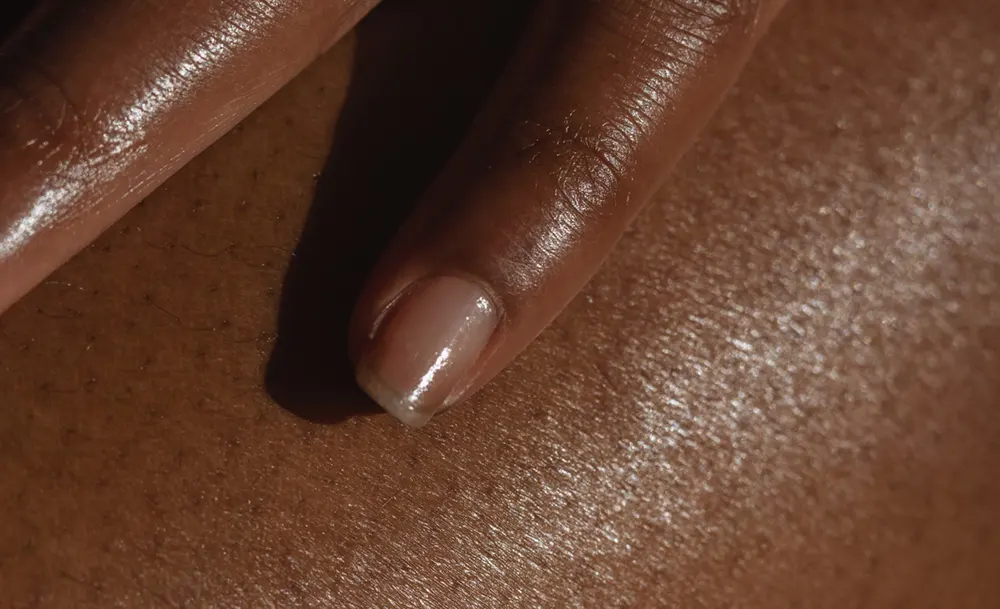 The Effects of Skin Elasticity and Thinning on Cellulite Appearance
The elasticity and thinning of the skin have a significant impact on the appearance of cellulite as we age. As the skin's elasticity decreases, it becomes less firm and supple, making the underlying fat deposits more visible. This loss of elasticity allows the fat cells to protrude through the connective tissues, leading to the characteristic dimpled appearance of cellulite. Additionally, thinning of the skin due to age-related factors, such as a decrease in collagen and elastin production, further exacerbates the visibility of cellulite.
Collagen and elastin, two proteins responsible for maintaining the structure and elasticity of the skin, naturally decline with age. Reduced collagen production weakens the skin's support system, making it more susceptible to the development and progression of cellulite. Moreover, the thinning of the skin also contributes to the visibility of cellulite as there is less tissue to cushion and mask the underlying fat deposits. This thinning process is influenced by factors such as sun exposure, hormonal changes, and genetic predisposition. Ultimately, the combination of decreased elasticity and thinning skin plays a crucial role in the formation and appearance of cellulite as we age.
One of the key strategies to minimize and manage cellulite as we age is through adopting a healthy and balanced diet. Consuming nutrient-rich foods can aid in maintaining a healthy weight, which in turn reduces the appearance of cellulite. Foods high in antioxidants, such as fruits and vegetables, can help combat oxidative stress and inflammation that contribute to cellulite formation. Additionally, incorporating lean proteins, whole grains, and healthy fats into our diet can support collagen production and maintain skin elasticity.
Regular exercise is another crucial component in managing cellulite as we age. Engaging in aerobic activities, such as running, swimming, or cycling, helps improve blood circulation and lymphatic drainage, which can enhance the elimination of waste products and minimize the appearance of cellulite. Strength training exercises, focusing on the lower body, can help tone and build muscle, creating a smoother and firmer appearance. Combining both cardiovascular and strength training exercises into a well-rounded fitness routine can lead to positive results in cellulite reduction.
Other strategies to manage cellulite include maintaining adequate hydration to support skin health and elasticity, avoiding smoking and excessive alcohol consumption, as these habits can contribute to increased inflammation and collagen breakdown. Furthermore, incorporating self-care practices like dry brushing or using caffeine-based creams may help improve blood flow and stimulate the breakdown of fat cells. While it is important to note that these strategies may not completely eliminate cellulite, they can significantly minimize its appearance and improve overall skin health as we age.