
Introduction
Laser hair removal is a popular cosmetic procedure sought by many for its long-term hair reduction benefits. However, questions often arise regarding its suitability for individuals with specific lifestyle habits, particularly those with a history of smoking or alcohol use. Understanding how these factors impact the treatment's efficacy and safety is crucial for making informed decisions. This article delves into the considerations and guidelines for such individuals contemplating laser hair removal.
The Impact of Smoking on Skin and Laser Treatments
The Impact of Alcohol on Skin and Laser Treatments
Eligibility for Laser Hair Removal
Preparing for Laser Hair Removal
The Laser Hair Removal Process
Post-Treatment Care
Risks and Considerations
FAQs
How does smoking affect laser hair removal outcomes?
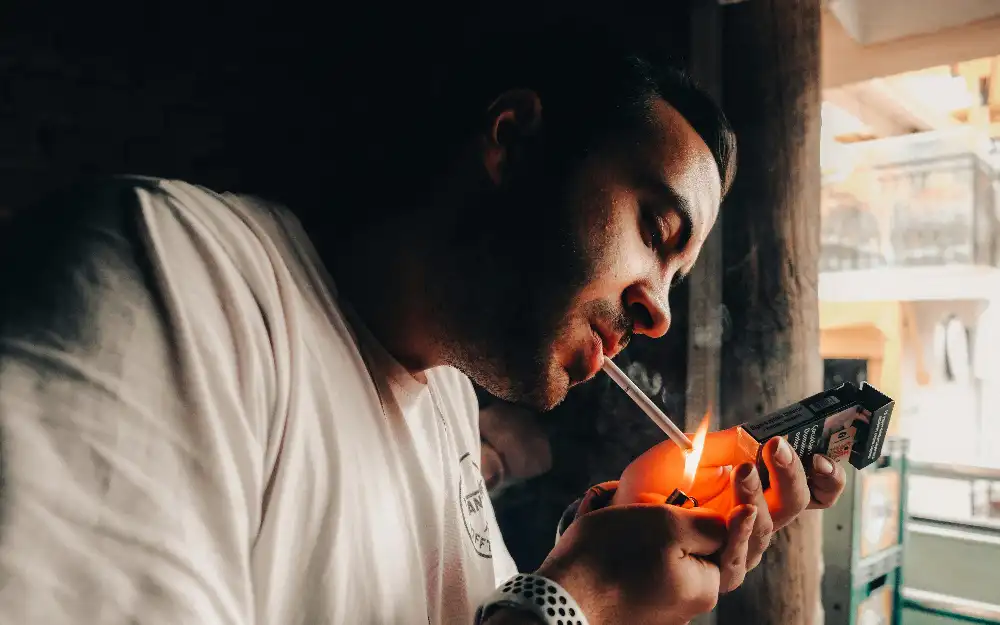
The relationship between smoking and laser hair removal goes deeper than just healing on the surface. It's about the health of cells and blood vessels, which is crucial for the success of such skin treatments. The negative effects of smoking are wide-ranging; it weakens the body's defense system and changes the small blood vessels in the skin. This change matters a lot because how well laser hair removal works is partly based on the laser's ability to aim at the melanin in hair follicles without harming nearby skin. If blood flow is hindered, it can result in poor delivery of nutrients and oxygen, which are vital for the skin to heal and renew itself after being exposed to the laser's heat.
Moreover, tobacco smoke, which contains carbon monoxide and nicotine, reduces hemoglobin's ability to carry oxygen, making the tissue even less oxygenated. This lack of oxygen can slow down the healing of wounds, raise the chance of infections, and may lead to less than ideal results from laser hair removal. Smoking can also cause oxidative stress that harms cellular DNA and proteins, speeding up the skin's aging process, which could impact the long-term results of laser hair removal.
Doctors often stress the need to stop smoking well before getting laser hair removal. This advice before the treatment helps improve the skin's condition, making the procedure more effective and reducing the likelihood of negative effects. In the larger picture of skin health and beauty treatments, the harmful effects of smoking highlight its broad dangers to overall health and treatment outcomes.
Can alcohol consumption before or after laser hair removal affect the results?
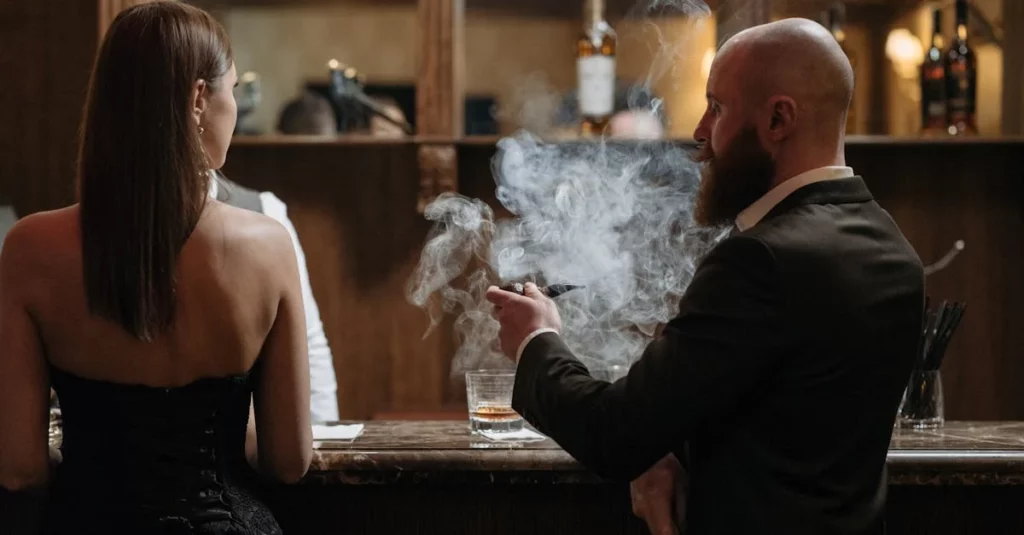
The relationship between laser hair removal and drinking alcohol touches on more than just immediate bodily reactions; it goes into the deeper medical effects important for both doctors and patients to know. Laser hair removal relies on accurately directing photothermal energy to hair follicles, requiring conditions favorable for precise effectiveness and minimal damage. Drinking alcohol disrupts the body's balance, significantly affecting these conditions and thereby the outcome of the procedure and the skin's ability to recover.
Alcohol widens blood vessels, leading to increased blood flow to the skin, which can intensify blood vessel activity around the treated area. This increased activity raises the chance of bruising under the skin, which not only slows healing but can also make the hair follicles harder to target in later sessions, diminishing the overall success of the hair removal. Moreover, alcohol's dehydrating effect drains essential moisture from the skin, weakening the outer skin layer's protective barrier. This loss of moisture makes the skin more prone to infections and reduces its ability to regenerate, extending the healing time and possibly resulting in less than ideal outcomes.
The laser's heat effect on the skin requires a strong inflammatory response to heal properly, involving immune cells moving to the injury site to start the repair. Drinking can change how the body's immune system responds, weakening the healing process and possibly leading to longer-lasting redness, swelling, and discomfort after the procedure. Also, changes in liver function caused by alcohol can disrupt the metabolism and removal of waste, complicating recovery after the treatment.
Therefore, it's crucial for skin doctors and cosmetic specialists to advise patients to stop drinking alcohol before and after getting laser hair removal. This advice not only creates the best conditions for a successful treatment but also supports a healthier, quicker recovery, helping patients achieve the look they want with fewer complications.

What pre-treatment advice should smokers and drinkers follow?
Advice before treatment for those looking forward to laser hair removal highlights the need for the body to be in the best possible condition, especially for smokers and drinkers. The complex relationship between laser hair removal and smoking can greatly affect both how well the procedure works and the healing process afterwards, requiring a deep understanding of these impacts.
Smoking, filled with harmful substances including nicotine, introduces effects that can seriously limit blood flow to the skin. This decreased blood circulation affects the transport of crucial nutrients and oxygen, necessary for the skin to recover and renew itself after laser hair removal. Additionally, carbon monoxide from cigarette smoke takes oxygen's place in the blood, worsening the oxygen shortage in the treated area and slowing down the healing process. The smoke's many oxidizing agents also increase oxidative stress on the skin, hindering its repair and regeneration abilities post-treatment.
For these reasons, patients are strongly encouraged to stop smoking and cut back on alcohol consumption well before undergoing laser hair removal. Quitting smoking helps restore normal blood flow and boosts the skin's healing abilities. Likewise, drinking less alcohol reduces the risk of dehydration and its negative effects on skin elasticity and the protective barrier, important for a successful recovery. These steps not only improve the chances of getting the desired cosmetic results but also greatly lower the risk of complications after treatment, ensuring a smoother and more effective healing journey.
Are there any additional post-treatment care tips for individuals with these habits?
In dermatology, the advice given after laser hair removal is crucial for ensuring the treatment's effectiveness, especially for those who smoke or drink. These habits can greatly affect the healing process because of their effects on the body, leading to a need for specific care recommendations after treatment.
For smokers, nicotine's effect of narrowing blood vessels greatly limits oxygen and nutrient flow to the skin, which is essential for recovery post-laser hair removal. A key piece of advice for smokers is to stop smoking temporarily to improve blood circulation, thus aiding in faster healing and lowering the risk of complications.
Regarding alcohol consumption, it can cause dehydration, weakening the skin's healing ability and making it more sensitive. Additionally, alcohol's effect of widening blood vessels can worsen swelling and redness after treatment. People who consume alcohol are advised to greatly reduce their intake or completely abstain in the days following laser hair removal. Staying hydrated is crucial; drinking more water can help offset alcohol's dehydrating effects and support the skin's healing.
Moreover, both smokers and drinkers should follow a strict skincare routine after treatment. This includes using soothing topical products to reduce inflammation and support the skin's protective layer. Products rich in antioxidants are especially recommended as they help fight oxidative stress and encourage cell repair.
These care tips for after laser hair removal emphasize the importance of either stopping or cutting back on smoking and alcohol and stress the need for a supportive skincare regimen to enhance healing. Following these recommendations can greatly improve the results of the laser hair removal process for those who smoke and drink, ensuring the treatment's success and the skin's health.
How many sessions will I need if I smoke or drink alcohol regularly?
The number of sessions needed for laser hair removal depends on various factors such as hair color, skin type, and the density of hair growth in the targeted area. Yet, for those who often drink alcohol or smoke, there's more to consider, as these habits can greatly affect how the skin reacts to treatment and heals afterward.
The influence of smoking is through nicotine-caused narrowing of blood vessels, which lowers blood flow to the skin. This reduced circulation can slow down the skin's healing and regeneration after treatment, possibly leading to the need for more sessions to get the desired result. Additionally, less oxygen and nutrients get to the area being treated, which could make destroying the follicles less effective during each session.
Similarly, drinking alcohol leads to overall dehydration, affecting the treatment. Dehydrated skin may not be as resilient or elastic, which could not only make hair removal harder but also impact the skin's ability to heal. The widening of blood vessels caused by alcohol, increasing sensitivity and potential swelling, could also make the treatment less effective and recovery more challenging.
Because of these factors, people who smoke or drink regularly might need more laser hair removal sessions than those who don't. Although the exact number of extra sessions varies by individual, the consensus in the medical community is that these lifestyle habits can prolong the treatment timeline. Therefore, patients are advised to reduce alcohol intake and consider quitting smoking to improve their treatment outcomes. Making these changes, along with following a thorough skincare routine before and after treatment, can greatly improve the effectiveness of laser hair removal sessions, leading to better and lasting results.
Can I undergo laser hair removal if I plan to quit smoking or drinking?
Starting laser hair removal while deciding to stop smoking or drinking is an admirable step toward improving overall health and aesthetic appeal. This decision is supported by medical evidence highlighting the negative effects of smoking and heavy alcohol use on skin health and recovery.
Laser hair removal benefits significantly when the body is in optimal health. Smoking, which causes blood vessels to narrow, reduces blood flow, affecting laser hair removal's effectiveness and extending the recovery period. Alcohol dehydrates the body, reducing skin resilience and recovery ability, potentially leading to more complications.
However, choosing to stop smoking or drinking before beginning laser hair removal can greatly reduce these risks. Stopping smoking can gradually improve vascular health and blood flow to the skin, enhancing its ability to regenerate. Avoiding alcohol can maintain proper hydration, crucial for skin elasticity and repair.
Patients are encouraged to start these lifestyle changes well before their first laser hair removal session. This preparation period allows the body to begin recovering from nicotine and alcohol, creating a better healing environment. While the exact time needed for this preparation can vary, starting several weeks in advance is typically recommended, synergistically improving treatment success and health.
Conclusion
In conclusion, deciding to quit smoking or drinking before laser hair removal not only boosts the chance of success but also significantly benefits one's health journey, emphasizing the importance of this proactive approach.
While individuals with a history of smoking or alcohol use are not automatically excluded from undergoing laser hair removal, they should be aware of the potential impacts on their treatment. Discussing personal habits openly with a laser specialist can help tailor the treatment plan and care instructions to ensure the best possible outcomes. By taking the necessary precautions and adhering to professional advice, individuals with these lifestyle habits can still enjoy the benefits of laser hair removal.